Business as usual?
With the ongoing Coronavirus nightmare, shoppers have been sent into frenzy. Supermarket shelves across the globe have been emptied as a result of mass panic-buying – but some products are left untouched.
These products and brands are being treated the same as they were before the pandemic hysteria began: unwanted.
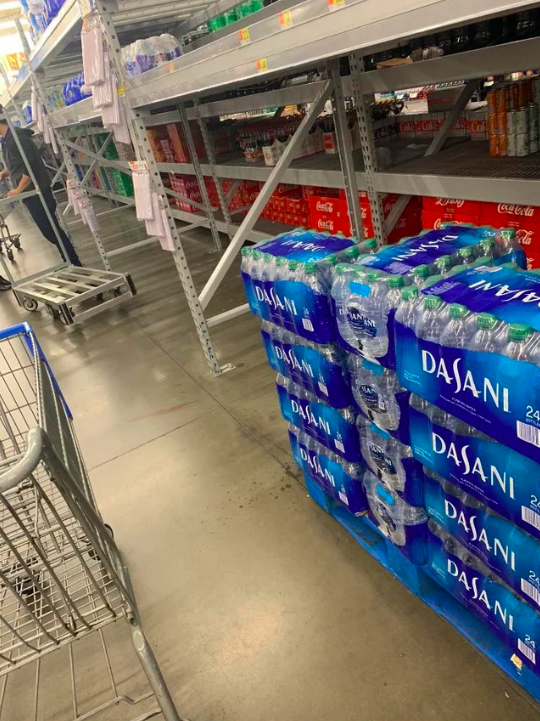
Example 1: Dasani water
Supermarkets in America are being rinsed of bottled water, but the Dasani multi-packs are fully stocked. Dasani came under fire in 2004 when they deceived shoppers by actually just selling tap water in a bottle, and people have clearly never got over it.
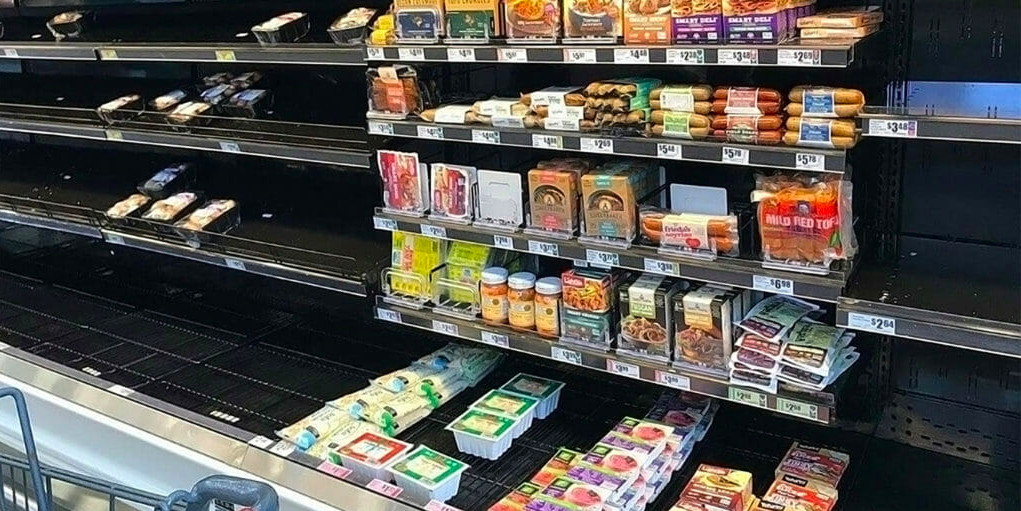
Example 2: Vegan Meat Alternatives
Despite shelves of meat being emptied, it seems shoppers would rather go ‘meat-free’ than buy the alternatives. Maybe the vegan food brands need to do more to change people’s perceptions of their products and figure out what it really is that puts people off.
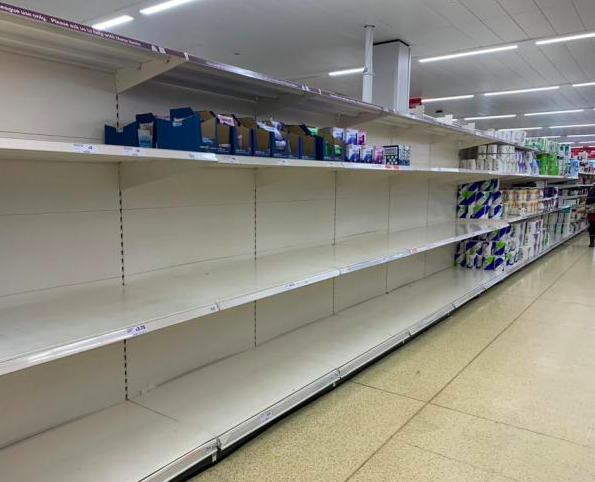
Example 3: Toilet Tissue
The lack of toilet paper has became a figure of the coronavirus panic – there is none. anywhere. However, beside the empty shelves are full boxes of toilet tissues. Shoppers are now left with a dilemma…buy nothing at all or buy moist toilet tissues? It seems the stigma around this product is so strong that strong that shoppers would rather go without anything at all.
These examples show that shopper’s opinions of brands will continue to impact their buying behaviour, even in desperation.
Shopper’s are panicking beyond control, but they still won’t buy these products.
What these brands need to figure out is where they stand in the category and how they can shift that position to at least be considered when options are limited. It could be that shoppers don’t want to part with their cash on products they haven’t tried before, thus brands could offer samples to reduce the stigma.
Source: Alice Popple


