Childhood Nutrition and Brand Behaviour
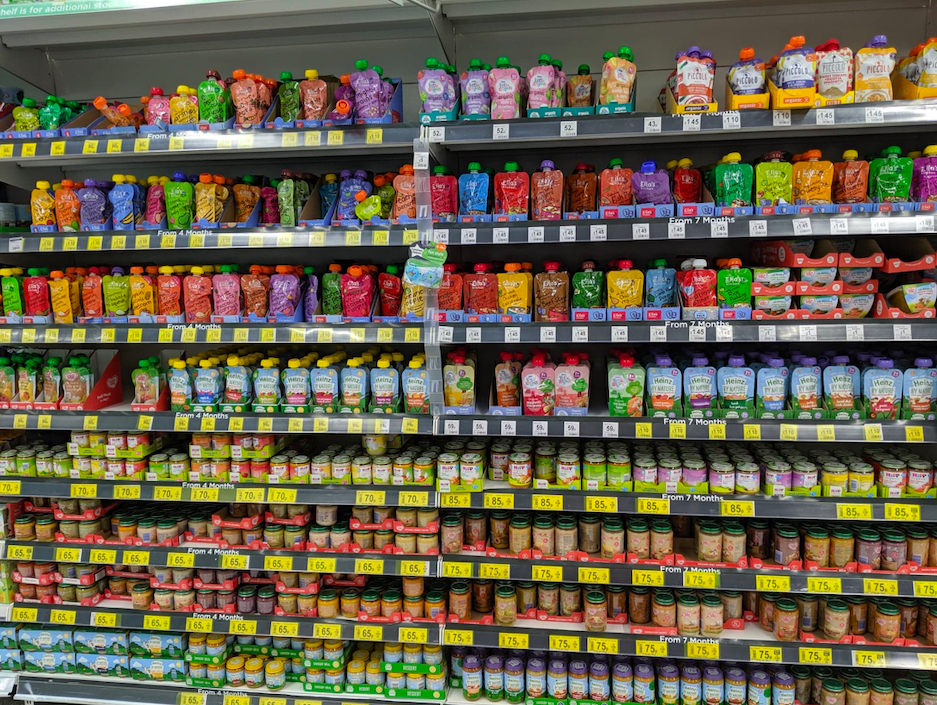
Childhood nutrition is currently receiving lots of attention, which is right given the scale of the problem. The Chief Medical Officer’s recent special report into childhood obesity shows how bad things have become. In the UK, one in five primary school children are starting school either overweight or obese – twice as many as 30 years ago.
Brands need to be committed to improving products to go above and beyond the changes being called for, especially in relation to free (naturally occurring) sugars. The industry has been called on to make changes in terms of both reformulation and new labelling to reflect the proportions of ingredients.
According to Veg Power, 80% of kids are not eating enough vegetables. This is not to blame parents: manufacturers have a responsibility to offer healthier choices, retailers need to be stocking them, nurseries need to be serving them, and government and health bodies should be working with us to empower parents and carers to make healthy eating the norm.
Asda’s view:
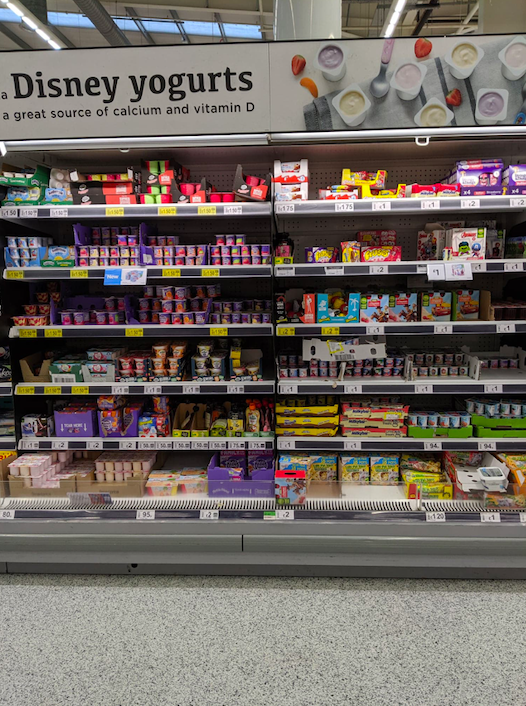
Asda states that toddlers need to have their five-a-day and 3 servings a day of milk and dairy. On a negative note, on average, tots aged 18 months to three years get about nine cubes of added sugar a day in their diet – at least twice the recommended maximum for four- to six-year-olds. Biscuits, cakes, sweets, sugary drinks and fruit juice provide almost two-thirds of this, so these need to be limited. Brands should take this on board and offer low-sugar alternatives.